Skip to content

The truth is that most dashboards fail CEOs not because they lack data, but because they’re built on outdated assumptions about how executives make decisions. In this article, we’ll uncover the five critical blind spots in traditional dashboards and show how AI-powered Business Intelligence transforms raw data into the actionable insights leaders need to move with confidence.
The 5 Critical Reasons Why Most Dashboards Fail CEOs
1. Data Without Context or Meaning
Traditional dashboards excel at showing what happened, but fail to explain why it matters. They display that revenue dropped 12% last quarter but offer no insight into whether this represents a concerning trend or a normal seasonal fluctuation. Without this context, CEOs must either spend valuable time investigating or make decisions based on incomplete information.
2. Too Many Metrics, Too Little Focus
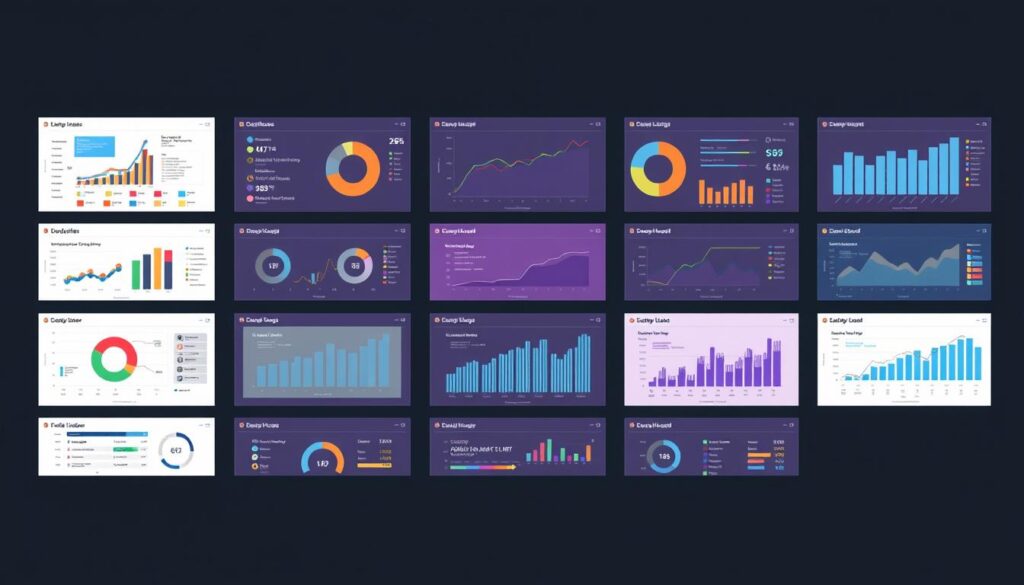
Many dashboards overwhelm executives with dozens of metrics in an attempt to be comprehensive. Research shows that decision-makers can effectively process only 3-5 key metrics before experiencing cognitive overload. When everything is highlighted, nothing stands out leaving CEOs unable to quickly identify what truly requires their attention.
3. Backward-Looking Instead of Forward-Thinking
Standard dashboards function like rearview mirrors, showing only what has already happened. This historical focus forces executives to extrapolate future trends manually a process that’s both time-consuming and prone to error. In today’s fast-moving business environment, CEOs need predictive insights that help them anticipate challenges before they become problems.
4. Disconnected from Action
Even when dashboards successfully highlight an issue, they rarely suggest what to do about it. This creates a frustrating gap between insight and action that forces executives to initiate separate workflows to address the problems they discover. The result is delayed response times and missed opportunities to course-correct quickly.
5. One-Size-Fits-All Design
Many dashboards are built with a standardized approach that fails to account for how executives actually consume information. They ignore differences in decision-making styles, organizational culture, and the specific questions leaders need answered. This lack of personalization creates friction that reduces adoption and undermines the dashboard’s effectiveness.
See How FreshBI Transforms CEO Dashboards
Discover how our AI-powered approach eliminates dashboard blind spots and delivers the clarity executives need.
How AI Business Intelligence Fixes These Blind Spots
Artificial intelligence is fundamentally changing how business intelligence works. Rather than simply displaying data, AI-powered BI systems actively interpret information, identify patterns, and generate insights that drive action. Here’s how AI BI addresses each of the critical dashboard blind spots:
Automated Context Generation
AI BI systems automatically analyze relationships between metrics to provide meaningful context. When revenue drops 12%, the system explains that it coincides with a competitor’s price reduction and suggests specific competitive responses based on historical effectiveness. This contextual intelligence transforms raw data into actionable insights without requiring manual analysis.
Intelligent Metric Prioritization
Instead of showing everything, AI-powered dashboards automatically identify which metrics matter most right now. The system continuously evaluates performance indicators against business objectives and highlights only those requiring attention. This intelligent filtering ensures executives focus on what’s truly important without wading through unnecessary data.
Predictive Insights and Forecasting
AI BI moves beyond historical reporting to predict future outcomes based on current trends and historical patterns. Machine learning algorithms identify early warning signs of potential issues, forecast performance trajectories, and recommend preemptive actions. This forward-looking approach gives CEOs the lead time they need to address challenges before they impact the business.
Automated Recommendations
AI-powered dashboards bridge the gap between insight and action by automatically generating specific recommendations. When the system identifies an opportunity or threat, it suggests concrete steps based on what has worked in similar situations. These recommendations include expected outcomes and implementation guidance, enabling faster and more confident decision-making.
Personalized Experience
AI BI adapts to how each executive consumes information. The system learns from interaction patterns to customize layouts, highlight preferred metrics, and adjust the level of detail shown. This personalization extends to communication style, with some executives receiving more visual presentations while others get detailed analytical breakdowns based on their demonstrated preferences.
Explore Our AI BI Solutions
See how FreshBI’s AI-powered business intelligence transforms complex data into clear action.
The Business Impact: Real Results from AI-Powered Dashboards
The transition from traditional dashboards to AI-powered business intelligence delivers measurable improvements across multiple dimensions. Organizations implementing AI BI typically experience:
| Business Metric | Traditional Dashboards | AI-Powered BI | Improvement |
| Decision Speed | 2-3 weeks | 1-2 days | 85% faster |
| Analyst Time | 20-40 hours/month | 2-4 hours/month | 90% reduction |
| Issue Detection | After impact occurs | 2-3 weeks before impact | Proactive vs. reactive |
| Data Utilization | 15-20% of available data | 60-80% of available data | 4x more insights |
| Executive Adoption | 25-30% regular usage | 70-85% regular usage | 3x higher engagement |
Case Study: Manufacturing Company Transforms Decision-Making

- Early detection of supply chain disruptions, allowing proactive procurement adjustments that avoided $180,000 in expedited shipping costs
- Automated correlation between quality metrics and specific production parameters, identifying optimization opportunities that increased throughput by 12%
- Predictive maintenance alerts that reduced unplanned downtime by 35%, improving overall equipment effectiveness
- 90% reduction in time spent creating executive reports, freeing analysts to focus on strategic initiatives
The company achieved positive ROI within six months and continues to discover new opportunities for improvement as the system learns from their business patterns.
Read Our Case Studies
Discover how organizations like yours are transforming decision-making with FreshBI’s AI-powered solutions.
Implementing AI BI: What to Expect
While every organization’s journey is unique, there are common factors that influence implementation success:
Data Quality Requirements
AI systems require consistent, well-structured data to generate reliable insights. Most organizations need to invest in data governance and cleanup as part of implementation. This foundation work is essential for long-term success and typically represents 30-40% of the initial implementation effort.
Change Management
Transitioning from traditional reporting to AI-powered insights requires organizational adaptation. Executives and teams need to learn new ways of consuming information and incorporating insights into decision processes. Effective change management significantly increases adoption rates and accelerates time-to-value.
Investment Timeline
AI BI implementations typically require upfront investment in software, data integration, and consulting support. Most organizations see positive ROI within 6-12 months through improved decision speed, reduced analyst overhead, and better business outcomes from more informed decisions.
Continuous Improvement
Unlike traditional dashboards that remain static, AI-powered systems continuously learn and improve. Plan for ongoing optimization as the system adapts to your business patterns and as your organization discovers new use cases and opportunities for insight generation.
Getting Started: Your Path to Better Decisions
Ready to move beyond dashboards that fail to deliver the insights you need? Here’s a practical approach to begin your AI BI journey:
1. Assess Current State
Evaluate how executives currently use dashboards and which decisions would benefit most from improved insights. Identify the 2-3 most critical business questions that better data storytelling could answer.
2. Select a High-Impact Use Case
Choose a specific business process where faster or better insights would create measurable value. Revenue forecasting, operational efficiency, and customer retention typically offer the highest initial ROI.
3. Evaluate Data Readiness
Assess whether your data infrastructure can support AI analytics. This includes data quality, integration capabilities, and governance frameworks that ensure reliable insights.
The competitive advantage from AI-powered analytics isn’t just operational efficiency, it’s strategic agility. Organizations that can identify opportunities and threats weeks earlier than competitors consistently outperform in rapidly changing markets. The gap between leaders and laggards in this space is widening rapidly, with AI-driven decision-making becoming a critical differentiator.
The question isn’t whether your organization will eventually adopt intelligent analytics, it’s whether you’ll lead the transformation in your industry or be forced to catch up later when the competitive disadvantage becomes obvious.
Ready to Transform Your Executive Dashboards?
Get a free consultation to see how FreshBI’s AI-powered Business Intelligence can deliver the clarity, speed, and insights your organization needs.
Frequently Asked Questions
How many metrics should an executive dashboard actually show?
Research shows executives can effectively process only 3-5 key metrics before experiencing cognitive overload. AI-powered dashboards solve this by automatically highlighting the most important metrics based on business context and current performance, ensuring executives focus on what truly matters without being overwhelmed.
What’s the difference between traditional dashboards and AI-powered analytics?
Traditional dashboards display data and require human interpretation. AI-powered analytics automatically identify patterns, explain why changes occurred, and recommend specific actions. Instead of showing “revenue dropped 12%,” AI systems explain the cause, provide context about its significance, and suggest solutions based on what has worked in similar situations.
How much does implementing AI-powered dashboard systems typically cost?
Implementation costs vary based on organization size and complexity, but typically include software licenses (K-0K annually), implementation services (K-K), and data integration (K-K). Most organizations see positive ROI within 6-12 months through improved decision speed, reduced analyst overhead, and better business outcomes.
What’s the biggest challenge when implementing AI BI dashboards?
Data quality issues represent the most common challenge. AI systems require clean, consistent data across all sources to generate reliable insights. Organizations typically spend 30-40% of implementation time on data cleanup and governance. FreshBI’s implementation methodology includes comprehensive data assessment and preparation to ensure success.
Why This Matters More Than You Think
The dashboards you’re creating today serve yesterday’s decision-making pace. In a business environment where speed and clarity drive competitive advantage, traditional dashboards that fail CEOs are more than an inconvenience, they’re a strategic liability.
FreshBI’s AI-powered Business Intelligence transforms how executives interact with data, delivering the context, focus, and actionable insights needed to make confident decisions at the speed of business. By addressing the fundamental flaws in traditional dashboards, we help organizations move from data overload to data-driven leadership.
Start with one specific use case where better insights would create measurable value. Prove the concept works in your environment, then expand systematically. The organizations that begin this transition now will define competitive standards for the next decade.
Transform Your Decision-Making Today
Discover how FreshBI’s AI-powered Business Intelligence can eliminate dashboard blind spots and deliver the clarity your organization needs.